

Surgical interventions
In some complex adult cases, optimal results cannot be achieved through orthodontic treatment alone. When this occurs, we may recommend a surgical approach in conjunction with braces or clear aligners to deliver the best functional and aesthetic outcome.
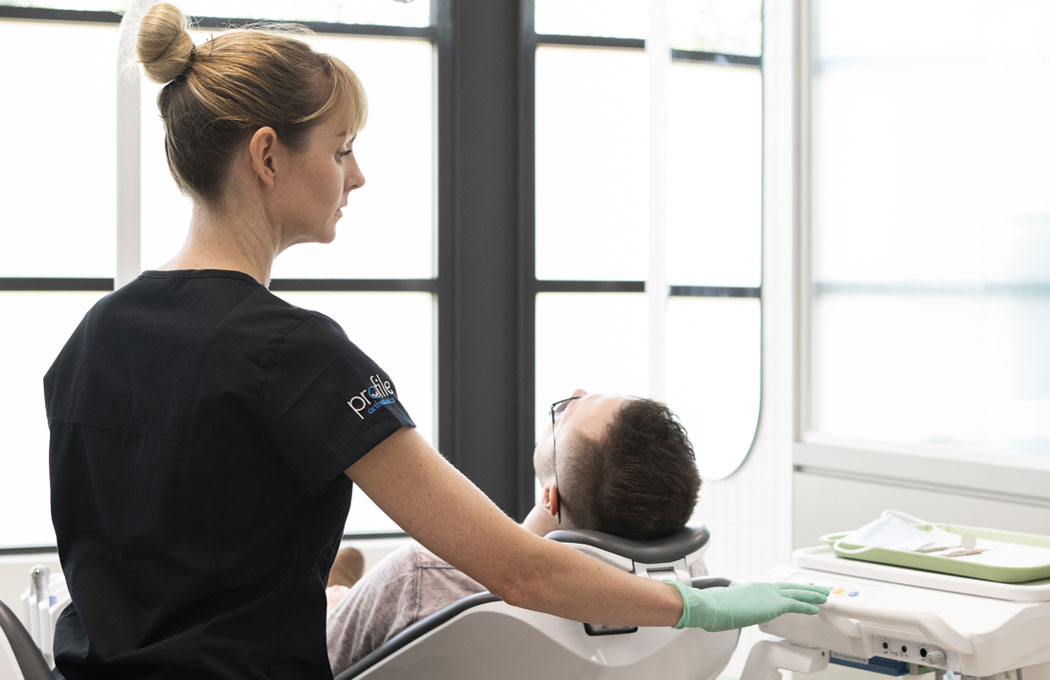
What is orthognathic surgery?
Orthognathic surgery is a corrective procedure performed by an oral and maxillofacial surgeon. It involves repositioning the upper jaw (maxilla), lower jaw (mandible), or both, to bring them into a more natural and functional alignment.
The goals of jaw surgery include:
- Improving the bite and jaw function
- Enhancing facial harmony and balance
- Relieving pain or discomfort caused by jaw misalignment
- Improving airway function in patients with sleep apnoea
- Supporting long-term oral health and stability
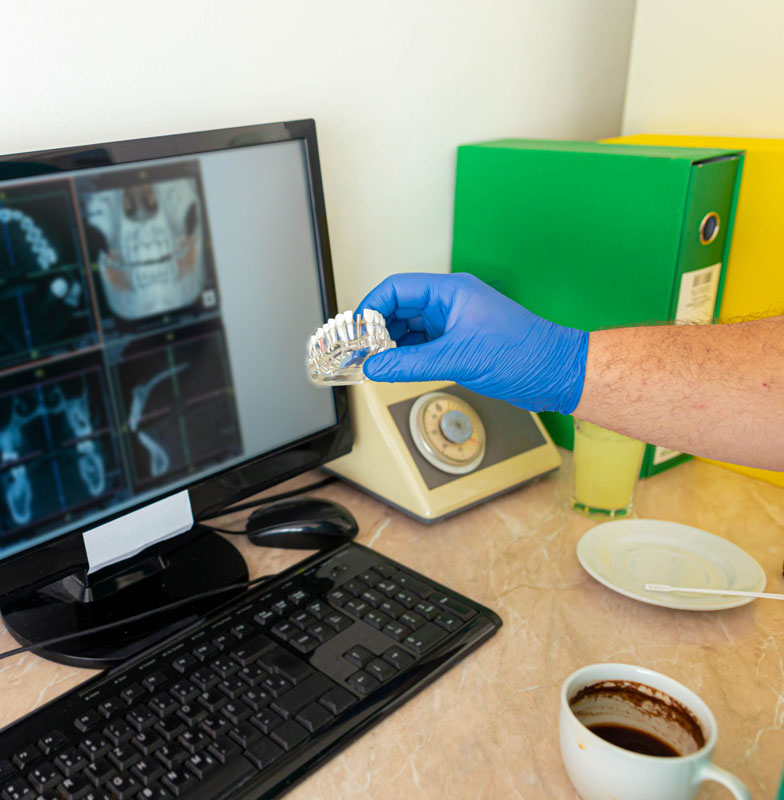
Why some adults may need jaw surgery
As adults, the bones in your face and jaw have finished growing. This means that certain misalignments, especially those involving the position or size of the jaws, can no longer be corrected through braces or clear aligners alone.
Jaw surgery may be recommended for adults experiencing:
- Significant overbites or underbites
- Open bites that don’t close properly even when the back teeth touch
- Difficulty chewing, swallowing, or speaking
- Obstructive sleep apnoea or breathing problems
- Jaw pain or TMJ disorders
- Facial imbalance or asymmetry
- Receding or prominent jaws affecting facial appearance
In these cases, orthognathic surgery can reposition the jaws to create proper alignment and function, greatly improving both health and appearance.
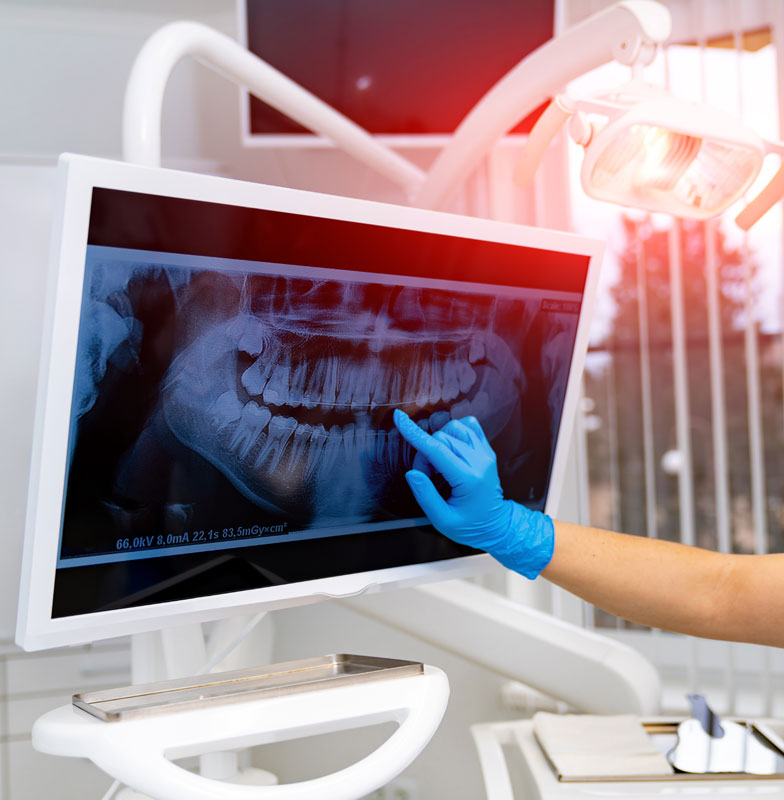
How surgery works with orthodontic treatment
Jaw surgery is never a standalone solution, it works in close coordination with orthodontic treatment before and after the surgical procedure.
Here’s what the process generally looks like:
Initial consultation and evaluation
We begin with a comprehensive assessment, including 3D imaging, digital scans, and a bite analysis. If surgery is recommended, we’ll refer you to a trusted oral and maxillofacial surgeon.
Pre-surgical orthodontics
Before surgery, you'll wear braces or clear aligners for several months. This phase helps align the teeth so they fit together properly after the jaw has been repositioned.
Jaw surgery
Your surgeon will perform the procedure in a hospital setting under general anaesthesia. Depending on your case, the upper jaw, lower jaw, or both may be adjusted. Most patients stay in the hospital for 1–2 nights.
Recovery phase
Initial recovery takes about 2 weeks, during which swelling and bruising are common. You’ll be on a modified diet and will need to limit physical activity. Full healing can take several months.
Post-surgical orthodontics
Once your jaw has healed, we fine-tune the alignment of your teeth with additional orthodontic treatment to ensure your bite is stable and functional.
Start with a consultation
If you’re experiencing issues with your bite, jaw function, or facial symmetry, we invite you to book a consultation at Profile Orthodontics. We’ll assess your situation, explain your options, and help you determine if surgical orthodontics is the right path for you.
Book a consultation
Visit us
Our specialist orthodontic practices are located in two convenient locations.


Profile Orthodontics Joondalup
3 Shenton Avenue (cnr Lakeside Drive),
Joondalup WA 6027
info@profileorthodontics.com.au
Opening Hours
- Monday - Friday
- 8.15am - 5.00pm
 Get Directions on Google Maps


Profile Orthodontics Cottesloe
30 Jarrad Street (cnr Railway Street),
Cottesloe WA 6011
info@profileorthodontics.com.au
Opening Hours
- Tuesday - Friday:
- 8.15am - 5.00pm